

by Paul Wheaton
February 12, 2026
Read Time: Less than 5 Mins
Last Modified: February 12, 2026
Share Article
Artificial intelligence (AI) is rapidly changing how people work. According to Vena Solutions, 78% of organizations used AI in 2024. But how does this apply to electrical estimators, and is it beneficial for them, or is it just another buzzword?
The short answer is yes — AI enhances electrical estimating accuracy and efficiency when estimators apply it as a decision-support tool rather than a replacement for trade expertise.
Understanding where AI adds value — and where human expertise remains essential — is key to using it effectively.
Key Takeaways
- AI can be a great tool when used in conjunction with expert electrical estimators.
- Estimators can use AI to simplify tedious tasks, quickly analyze costs and speed up takeoff.
- Electrical estimators who are looking for an all-encompassing solution to their takeoff and estimating needs should invest in all-in-one takeoff and estimating software instead of relying solely on AI.

The Challenges of Electrical Estimating
Electrical estimating requires estimators to quantify thousands of electrical components, labor productivity, account for project-specific conditions and comply with electrical code requirements under tight bid deadlines.
Additionally, they have to identify hazards and make multiple visits to the same site for basic information.
As project timelines shrink and competition increases, electrical contractors are under more pressure to produce fast, accurate and competitive estimates to win work.
This is where AI shows its value. Built into electrical estimating software, AI can analyze site conditions and make calculations in just a few seconds, giving estimators time back to bid better and more often.
How AI Supports Electrical Estimating
AI-powered estimating tools are designed to:
- Analyze data
- Recognize patterns
- Automate repetitive tasks
In electrical estimating, this can significantly reduce the time spent on manual work while improving overall consistency.
One of the biggest benefits of AI is during the takeoff process. AI can analyze digital plans and help identify electrical symbols, fixtures and pathways more quickly than manual methods.
This speeds up the takeoff process and reduces the risk of missing items, especially on large or complex projects.
AI can also assist with cost forecasting. By analyzing historical project data, AI-driven systems can help estimators predict material costs, labor hours and productivity rates more accurately. This is particularly helpful when pricing jobs in unfamiliar markets or under tight deadlines.
Additionally, AI can improve estimate consistency. By applying standardized logic and historical data across multiple bids, AI reduces variability between estimates and helps contractors present more reliable, professional proposals.
Improving Labor Accuracy With AI
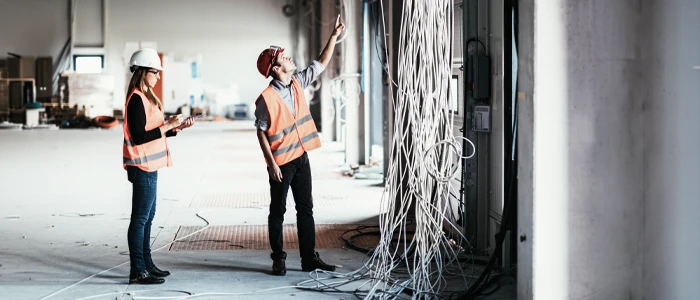
Labor is one of the most difficult aspects of electrical estimating. Productivity varies based on job conditions, crew experience, project complexity and local regulations. However, many estimators still rely on averages or past experience, which can introduce risks and erode profits.
AI improves electrical labor estimating accuracy by analyzing historical labor data and correlating productivity trends across similar project types, scopes and environments. This doesn’t eliminate the need for estimator judgment, but it provides a stronger data-driven starting point to enable faster, more informed decision-making.
By improving labor accuracy, AI helps electrical contractors avoid underestimating labor costs — a common cause of reduced margins and project overruns.
Where AI Has Limitations
AI systems struggle to interpret unique electrical site conditions, jurisdiction-specific code requirements, and engineering tradeoffs without human oversight.
AI may struggle with:
- Unique project conditions that aren’t reflected in historical data
- Complex code interpretations or jurisdiction-specific requirements
- Electrical-specific issues that require real-world experience
- Valuing engineering decisions that balance cost, performance and client expectations
Relying solely on AI without estimator oversight can lead to unrealistic assumptions or missed nuances. The most successful contractors treat AI as an assistant, not as an estimator replacement.
Unlike generic AI tools, electrical estimating software incorporates trade-specific assemblies, labor units, and electrical code logic into the estimating workflow.
The Future of AI in Electrical Estimating
As AI technology continues to improve, its role in electrical estimating will likely expand. Future tools may become better at understanding drawings, adapting to regional pricing trends and be included within trade-specific estimating software, project management and accounting systems.
That said, AI will always work best when paired with skilled electrical estimators who understand how projects are built — not just how they’re priced. The goal isn’t to remove human involvement, but to give estimators better tools to work smarter and faster.
Improve Your Estimating Today With Electrical-Specific Estimating Software
Whether you choose to use AI tools or not, improving your electrical estimating processes will come by using all-in-one takeoff and estimating software.
These systems are capable of handling your entire estimating process, including takeoff and bid creation, putting you in a better position to win more work.
McCormick, for example, is all-in-one electrical takeoff and estimating software that’s been trusted by estimators since 1979. McCormick can:
- Instantly measures plans and draws and automatically generates accurate material quantities
- Source materials and verify pricing in real-time with pre-built and customizable trade-specific databases
- Standardize estimating process across teams and projects with customizable estimating templates
- Easily adapt to changes with real-time data from the cloud
For more information about McCormick, AI in estimating or all-in-one electrical estimating, speak to an expert today!
Make Your Inbox Smarter
Keep on current news in the construction industry. Subscribe to free eNews!
February 26, 2026
How AI Is Creating Demand for Electrical Contractors
How is AI creating demand for electrical contractors? It’s reshaping the entire….
Read More
February 25, 2026
FastPIPE Review for Plumbing & Mechanical Contractors: Features, Pros, Cons & Alternatives
FastPIPE has provided estimating solutions for plumbing and mechanical contractors since 1995,….
Read More